

Homemade Eton Mess Ice Cream My New Summer Obsession!
Hey lovelies! 🍓🍦
I was scrolling r/UKfood the other day and this Homemade Eton Mess Ice Cream recipe stopped me in my tracks. Eton Mess is one of my all-time favorite British desserts, so turning it into ice cream? Genius! I had to try it immediately.
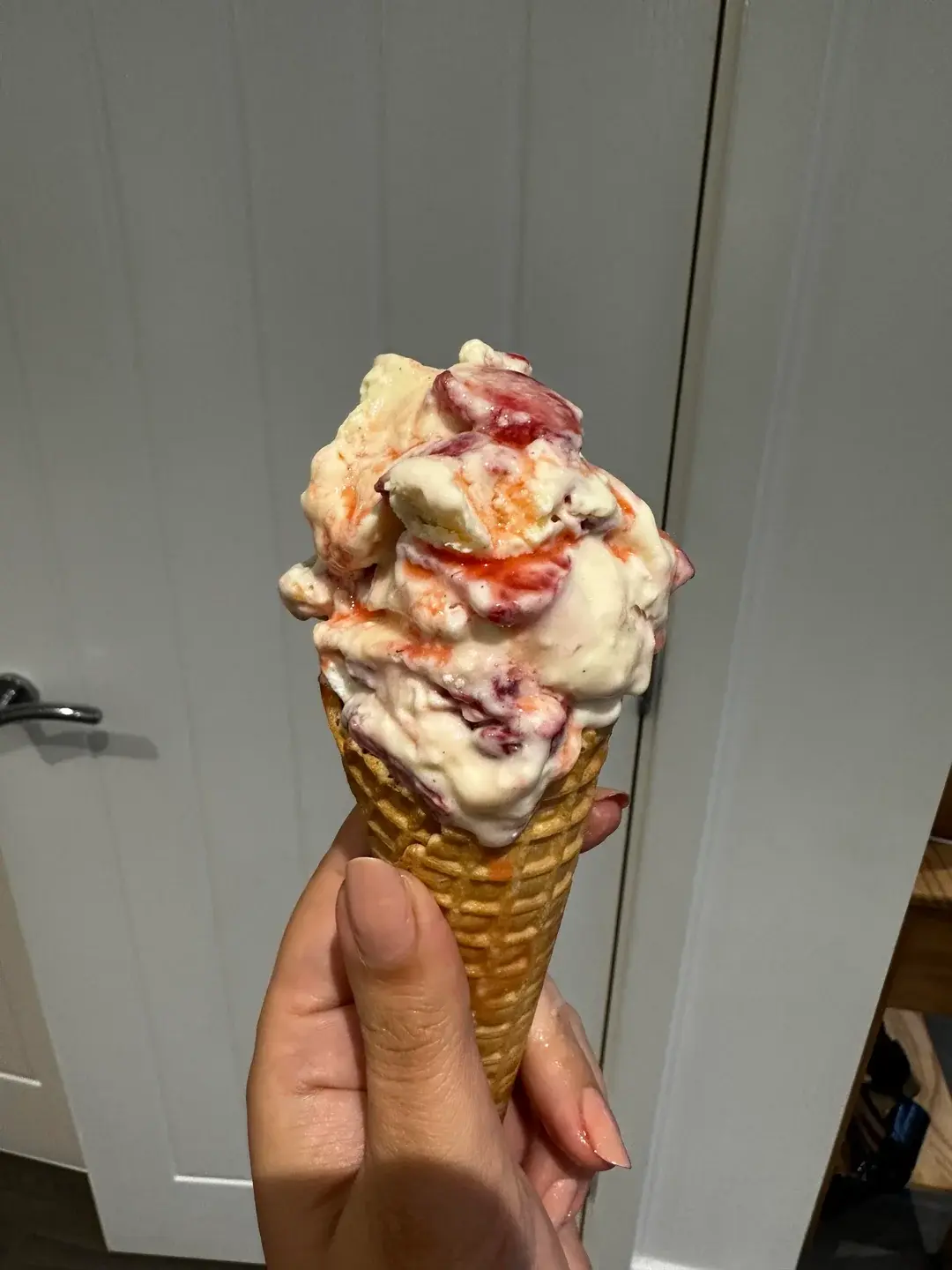
It turned out absolutely dreamy creamy vanilla custard base with sweet macerated strawberries and crunchy meringue pieces swirled through. It tastes like summer in a bowl.
My Kitchen Adventure
The strawberries macerating in sugar and lemon smelled incredible. I didn’t have a big blender, so I just whisked the semi-frozen custard vigorously by hand and it still worked great. The hardest part was waiting for all the freezing stages, but it was worth every minute.
I served it in cones for the kids and in bowls for us with extra strawberry syrup on top. Everyone went back for seconds!
Homemade Eton Mess Ice Cream
 Print
Print
Ingredients
400g strawberries, hulled and finely sliced
50g caster sugar
½ lemon, juiced
500g fresh vanilla custard
200ml double cream
50g shop bought meringues, roughly crushed
Ice cream cones to serve (optional)
Directions
- Tip the strawberries, sugar and lemon juice into a bowl and toss well. Cover and leave to macerate.
- Whisk the custard and cream together in a shallow freezerproof container. Freeze for 1 hr 30 mins–2 hrs until semi-frozen. (If you have a blender, pulse the semi-frozen mix until thick and smooth, then return to the container.) Freeze for another 1–2 hrs until soft-serve consistency. If no blender, whisk to break up the ice crystals.
- Spoon the macerated strawberries over the top (leaving most syrup behind), stir through with some crushed meringue pieces, then scatter more meringue on top. Freeze for at least 3 hours or overnight until scoopable. Soften slightly before serving. Top with remaining meringue and strawberry syrup.
This ice cream is luxurious but surprisingly easy. The contrast between the creamy base, juicy strawberries, and crunchy meringue is perfect. It’s lighter than regular ice cream but feels special ideal for summer parties or just treating yourself.
I’ll definitely be making this again (and maybe experimenting with raspberries next time).
 Nancy
Nancy